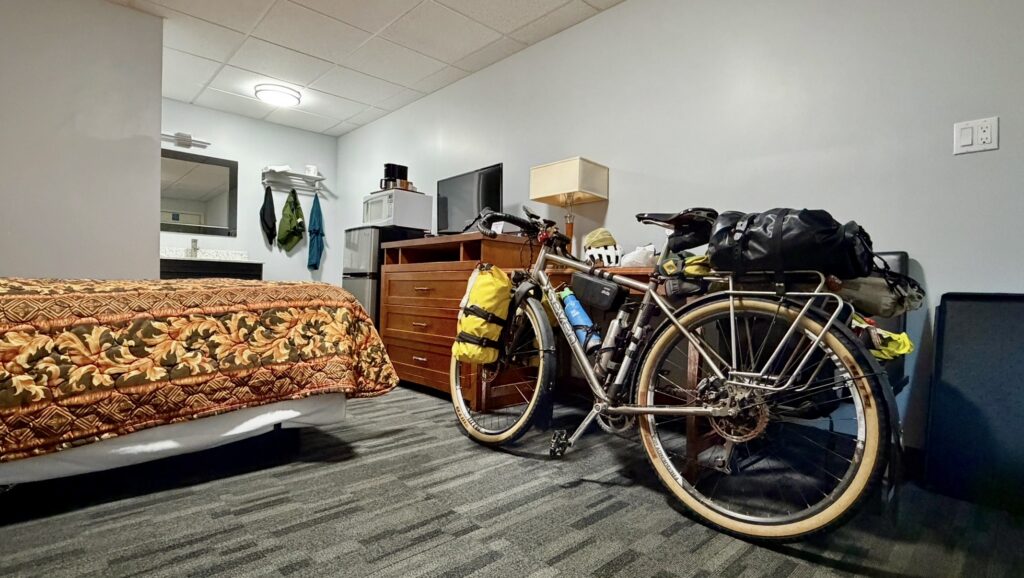
Last night I studied the weather, mileage between places to sleep, and distances I could ride this bike hauling sixty pounds up hills. Rain is in the forecast for Friday and Saturday. I want to be at Nancy’s campsite in Pancake Bay, two hundred seventy-six kilometers (one hundred seventy-six miles) away. I checked the route for places to stay, camping or motels. The first day would be thirty-five kilometers, the second is eighty-eight kilometers, the third is 100 kilometers, and the next is sixty-five kilometers to Pancake Bay. There are thirty-eight major climbs, so it is not an easy stretch. The campgrounds are now set, so I need to pull this off and get there before the rain. I will be able to rest listening to the rain warm and dry.
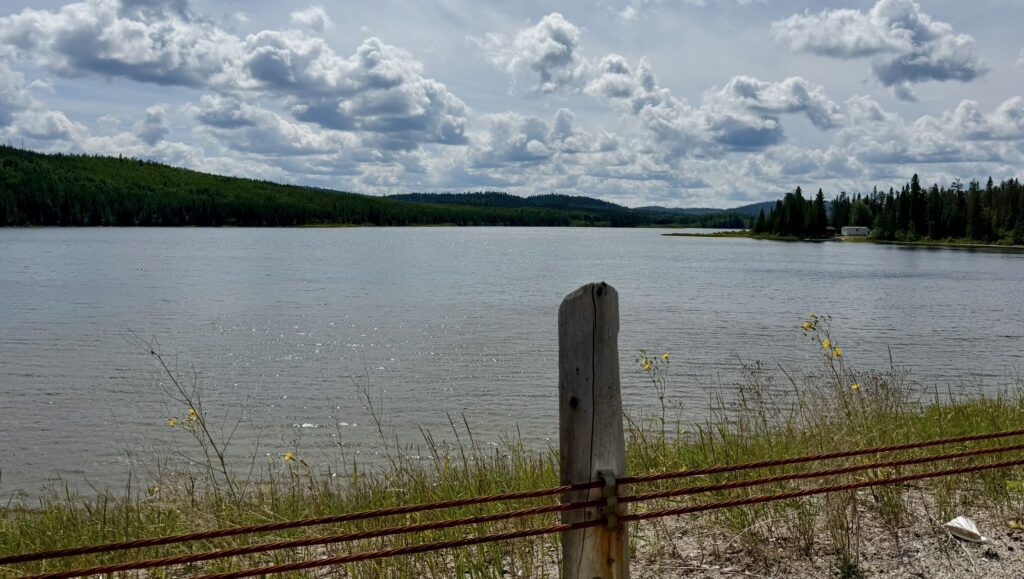
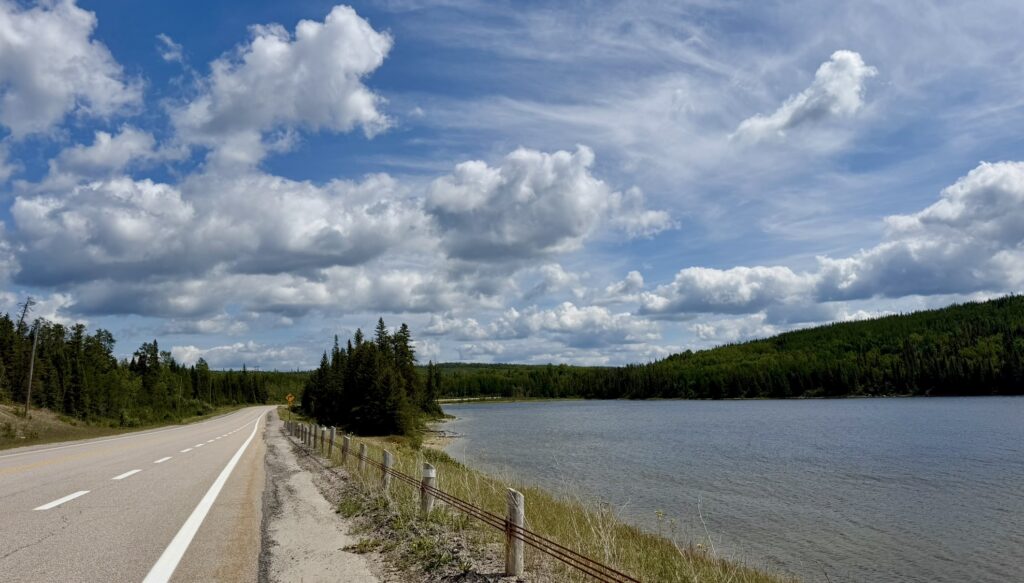
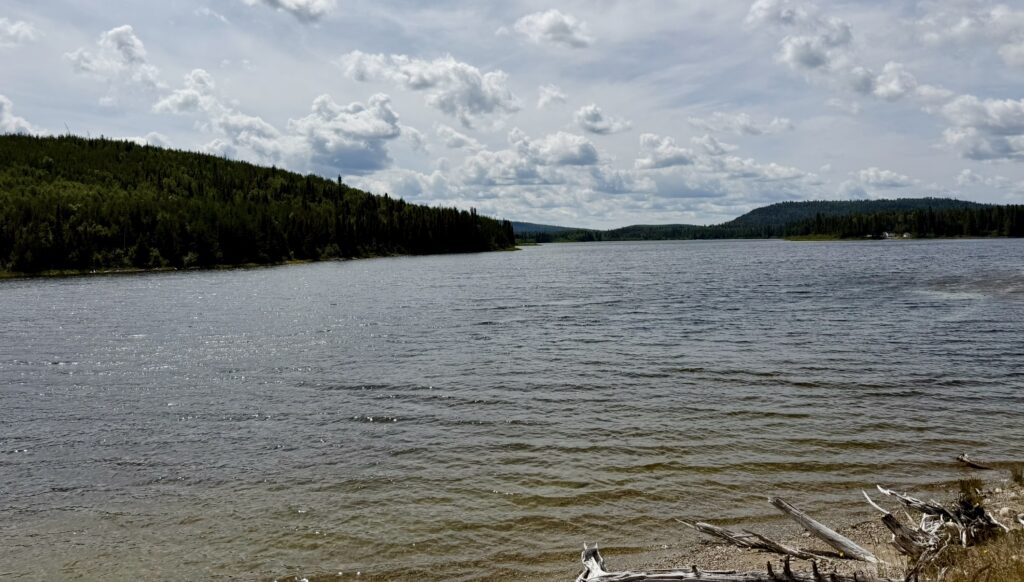
It is a short day, so I linger over breakfast and coffee. The panniers are still packed from yesterday. I’m on the road at 11:20. I am now riding mostly in the Superior National Forest. This section has many small lakes scattered throughout the trees.
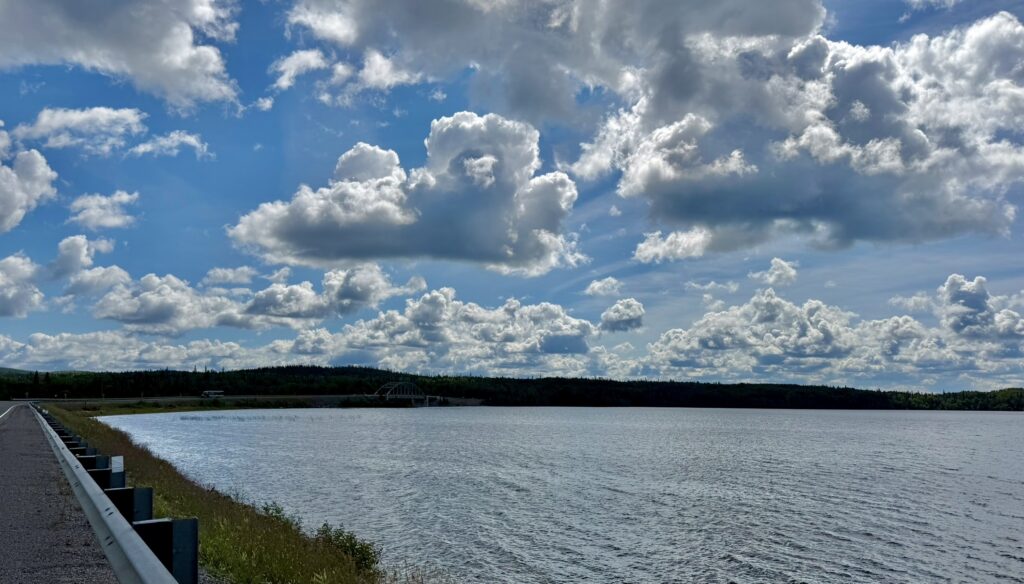
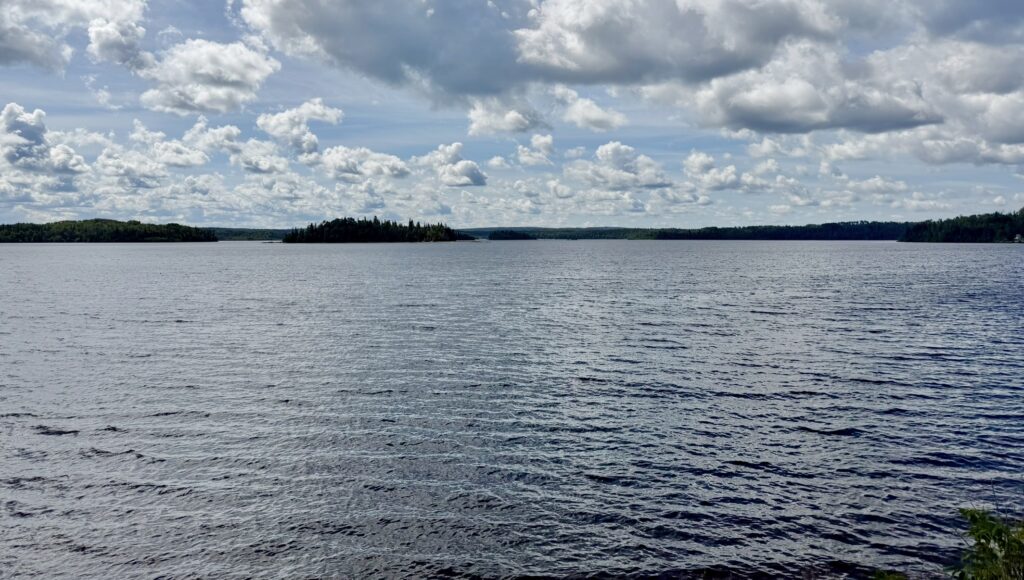
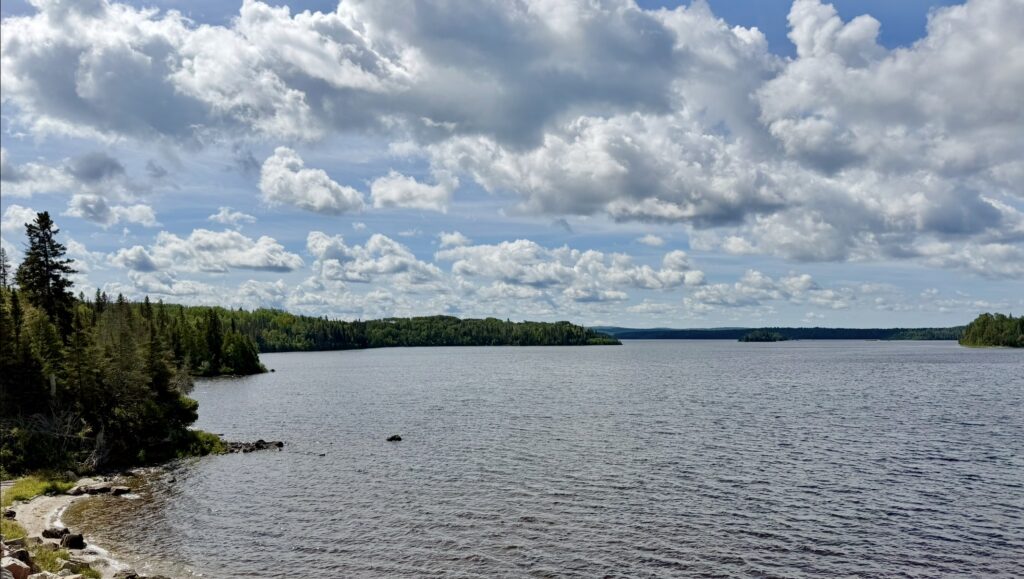
Today I have two options for sleeping in White River. One is camping for free on the lawn of the visitor center. The second is a motel right on the highway. I get into town, a very small town of between eight hundred and a thousand people. There are choices for stocking supplies and restaurants for dinner and breakfast. The visitor center is right next to the highway. It’s well lit and noisy. And, rain is coming overnight, just long enough to make tomorrow a late start. I choose the White River Motel.
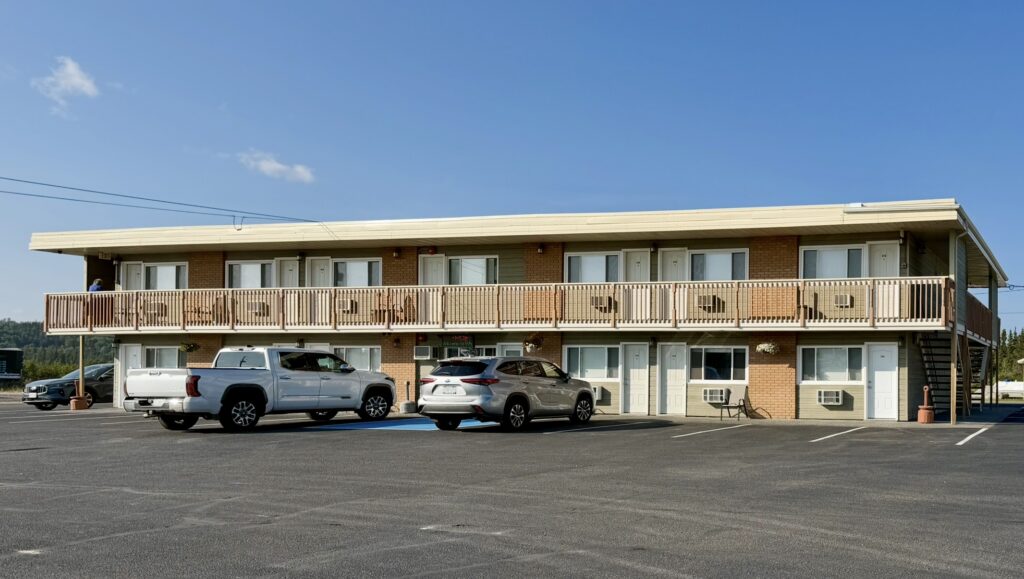
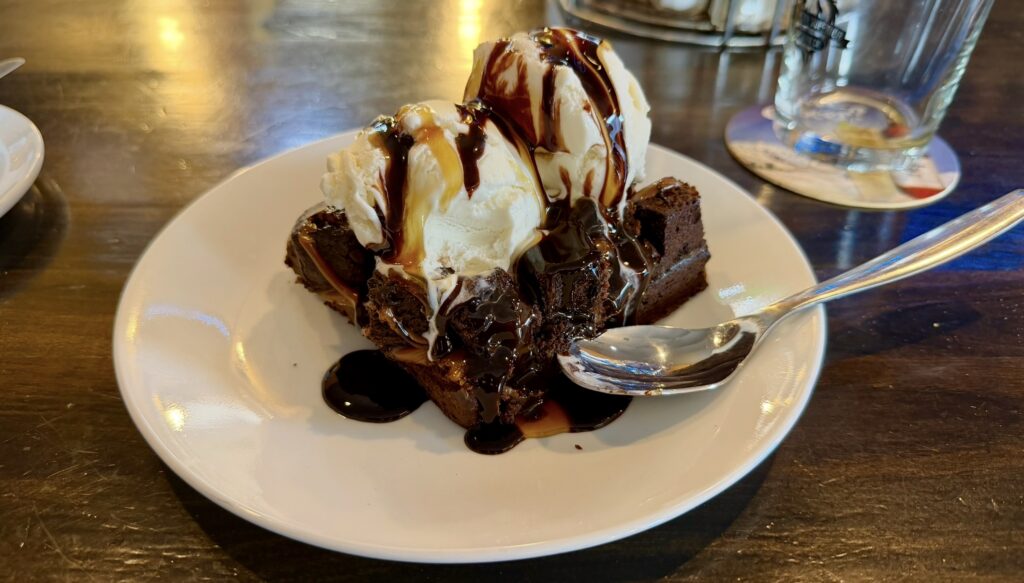
I settle in and then walk the short distance to the White River Bar and Grill. The food is good, the dessert is super.
I then walk across the street to the Winnie the Pooh park. This is where the story of Pooh began, a real black bear.
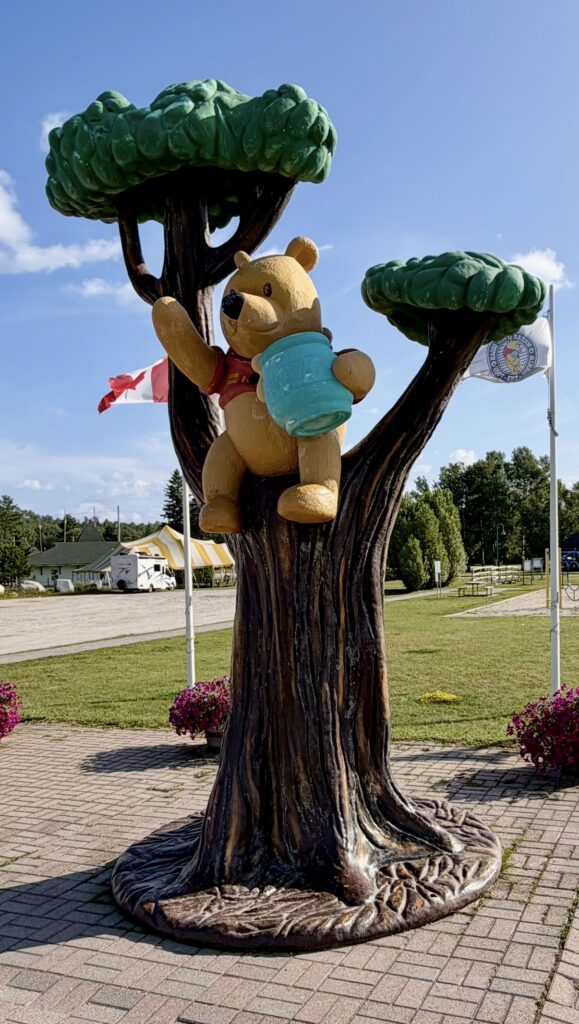
The story
On August 24, 1914, Lieutenant Harry
Colebourn, a Canadian Army veterinarian from Winnipeg, was traveling by train through White River on his way to military training for World War I.
During the train stop, he encountered a trapper with an orphaned female black bear cub.
Colebourn bought her for $20 and named her “Winnipeg,” after his hometown. He soon shortened it to “Winnie.”
Winnie went with Colebourn to England and became a beloved mascot. When Colebourn’s unit went to France, he left Winnie at the London Zoo.
A young Christopher Robin Milne became fascinated with Winnie at the zoo and named his own teddy bear after her.
Christopher Robin’s father, A. A. Milne, subsequently used the name Winnie for his famous character. Winnie-the-Pooh was published in 1926.
It is only 7 pm but I’ll be in bed shorty.